
Understanding Economic Sanctions and Export Control Navigating a Complex Landscape
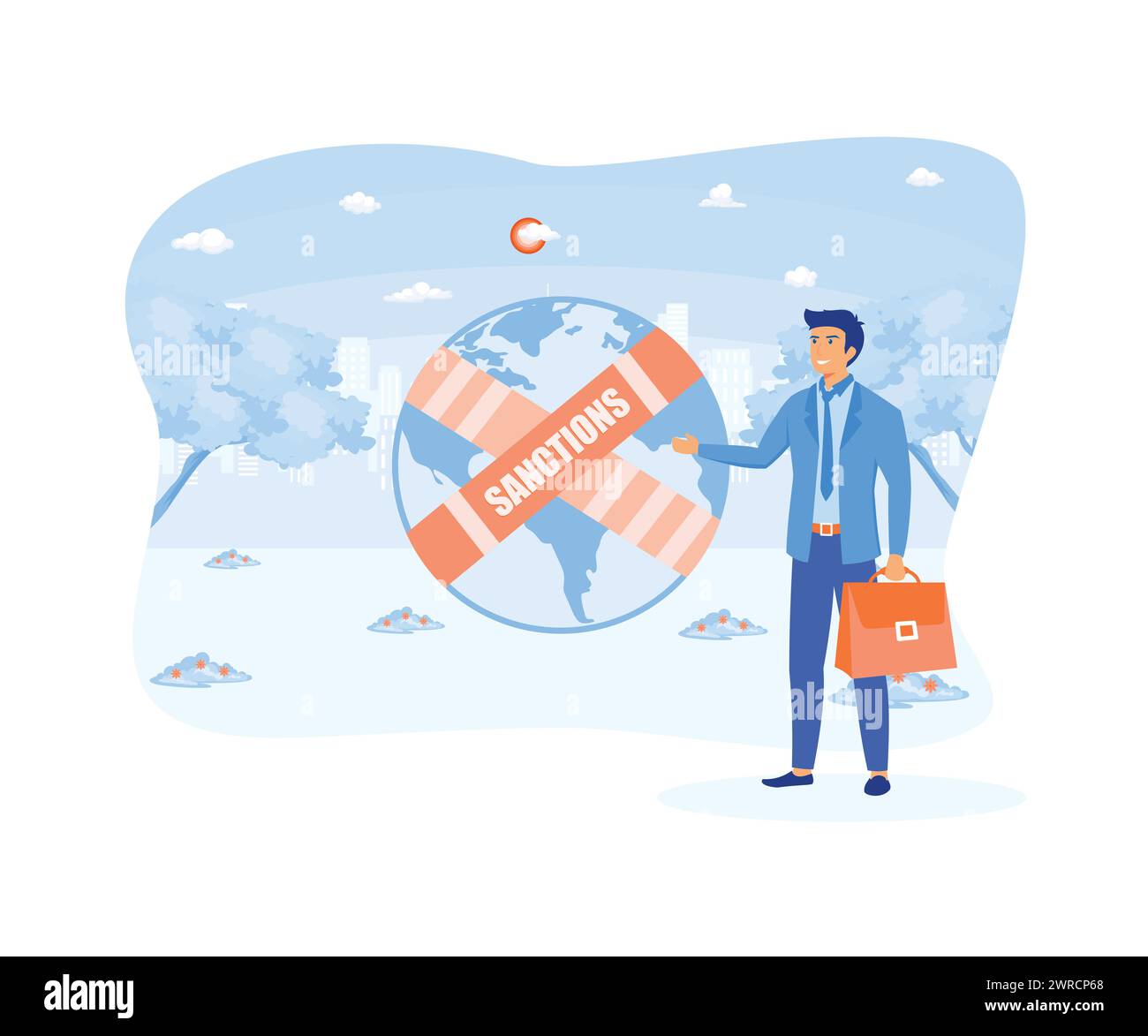
Understanding Economic Sanctions and Export Control: Navigating a Complex Landscape
In today’s interconnected global economy, the implementation of economic sanctions and export control lawyers plays a pivotal role in maintaining national security and foreign policy objectives. Economic sanctions are policy tools that countries use to influence the behavior of other nations, organizations, or individuals by restricting economic activities, while export control involves regulations governing the export of goods, services, and technology for national security reasons. Understanding these mechanisms is essential for businesses, policymakers, and legal professionals alike.
What Are Economic Sanctions?
Economic sanctions can take many forms, including trade barriers, tariffs, and restrictions on financial transactions. They are typically imposed to coerce a change in the behavior of a targeted regime, organization, or individual. Common reasons for imposing sanctions include violations of international law, human rights abuses, and threats to national or global security.
Types of Economic Sanctions
- Comprehensive Sanctions: These involve blanket prohibitions on trade and economic activities with a particular country. An example is the sanctions imposed on North Korea.
- Selective Sanctions: These are targeted measures aimed at specific individuals or entities, such as asset freezes and travel bans, while allowing for some trade and commerce to continue.
- Trade Barriers: These include tariffs and quotas imposed on specific goods or services, often as a means of economic retaliation.
- Financial Sanctions: These restrict access to financial markets and services, making it difficult for targeted parties to conduct international business.
Understanding Export Control
Export control refers to laws and regulations that govern the export of sensitive goods and technologies to foreign countries. The primary objective is to protect national security interests and ensure that critical technologies do not fall into the hands of adversaries.
Key Elements of Export Control
- List of Controlled Goods: Various goods and technologies are categorized based on their potential military applications or significance to national security.
- End-User Verification: Exporters are required to verify the identity and legitimacy of the end-users of their products to prevent misuse.
- Licensing Requirements: In many cases, exporters must obtain licenses before shipping controlled items, particularly to high-risk destinations.
The Intersection of Economic Sanctions and Export Control
While economic sanctions and export control share a common goal of protecting national security, they operate through different frameworks and mechanisms. Sanctions often function as a diplomatic tool aiming for a change in behavior, whereas export controls focus on the prevention of technology proliferation and military capabilities. The relationship between these two can create complexities for businesses engaged in global trade.

Legal Considerations and Compliance
Your business needs to navigate potential legal pitfalls when operating under economic sanctions and compliance with export control regulations. Noncompliance can lead to significant penalties, including fines and restrictions on doing business. Therefore, seeking expertise from legal professionals specializing in economic sanctions and export control is paramount.
Best Practices for Compliance
- Conduct thorough risk assessments to identify vulnerable areas of your business to sanctions and export control laws.
- Implement rigorous compliance programs, ensuring all employees are trained and aware of their obligations.
- Establish procedures for screening customers and partners against relevant sanctions lists.
- Keep abreast of changes in legislation and policy shifts regarding economic sanctions and export controls.
Global Trends in Economic Sanctions and Export Control
In recent years, the use of economic sanctions has become more prevalent, reflecting shifts in the geopolitical landscape. The rise of multilateral sanctions, coordinated efforts among multiple countries, has proven effective in various contexts, such as the Iran nuclear deal. Additionally, technological advancements and digital economies have created new challenges for export control, compelling regulators to adapt their frameworks continuously.
Case Studies
One notable example is the sanctions against Russia following its actions in Ukraine. These sanctions targeted key sectors, such as energy and finance, and were supported by many Western nations. This has significantly influenced the global economic landscape and highlighted the power of unified economic action.
Similarly, China’s rise has prompted the United States to enforce stricter export controls on specific technologies to limit military applications and espionage threats. These evolving scenarios underscore the need for businesses to stay informed and comply with complex regulations.
The Role of Legal Experts
Given the complexities surrounding economic sanctions and export controls, the role of specialized lawyers is crucial. They can provide guidance on compliance, help navigate investigations, and represent clients in cases of sanctions violations. Companies must engage legal experts who can break down the intricacies of these laws and assist in developing robust compliance strategies.

Conclusion
The landscape of economic sanctions and export control is continuously evolving, influenced by global political dynamics and technological advancements. Businesses engaged in international trade must remain vigilant and proactive in their compliance efforts. By understanding the implications of these regulations and leveraging the expertise of legal professionals, companies can mitigate risks and navigate the challenges posed by economic sanctions and export control effectively.